

A short video of a private wedding went viral in Iran recently, tearing away the country’s veil of piety and exposing hypocrisy and a seeming disregard for the rules by which the theocratic regime requires that most Iranians live their lives.
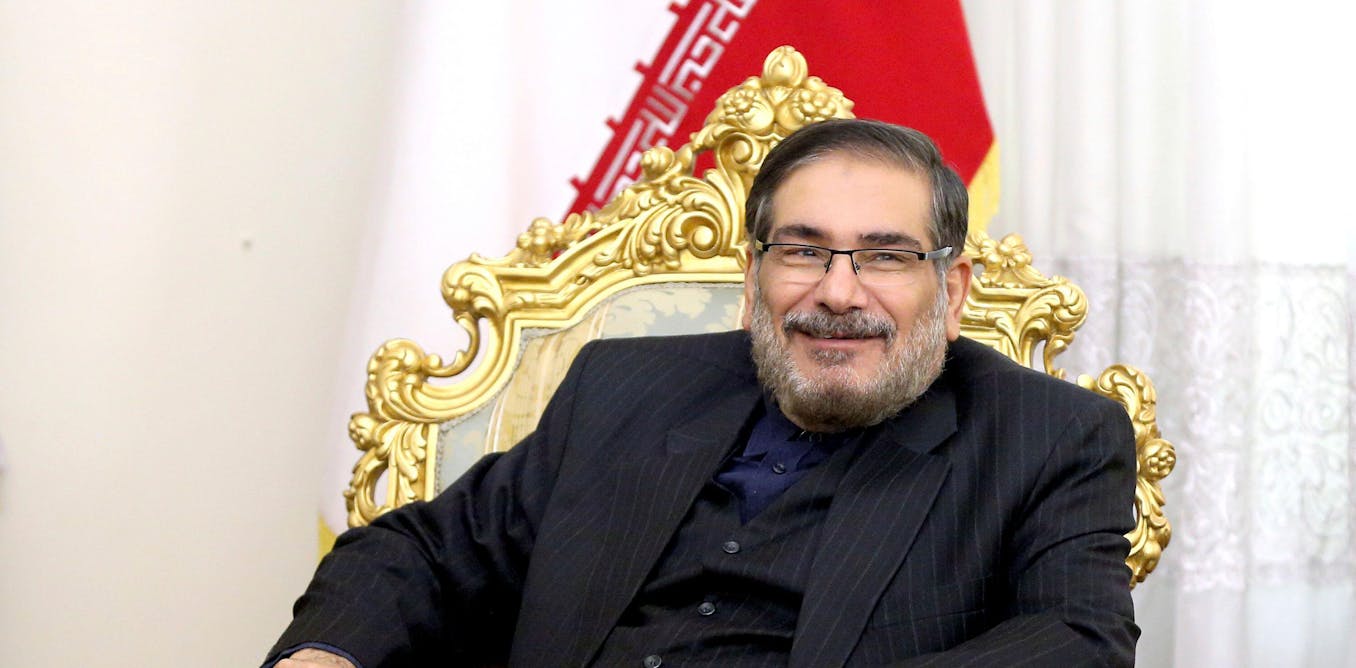
The wedding in question was that of Fatemeh Shamkhani, in mid-2024. She is the daughter of Ali Shamkhani, a close adviser to Iran’s supreme leader, Ali Khamenei, at the luxurious Espinas Palace Hotel in Tehran.
She wore a low-cut strapless dress with a western-style bridal veil rather than the full head-covering mandated for Iranian women. Many wedding guests also wore modern western styles and a lot of the women went without head coverings.
The video displayed images that were starkly dissonant, revealing the significant class and moral divides within the Iranian Republic and contradicting Iran’s values of revolutionary simplicity and Islamic modesty.
[…]
That it was Shamkhani’s family wedding made matters worse. A former commander of the regime’s Revolutionary Guards, he is a key power broker in Iran, who has the ear of Khamenei himself. He was also involved in the savage crackdown on the public protests in Iran in recent years, in defence of the same security and morality laws his family was seen so lavishly violating at the wedding celebration.
[…]
The emerging ruling elites maintain their wealth through oil revenue, state contracts and shadow economic activities – that enable them to evade sanctions (the Shamkhani family was identified and sanctioned earlier this year by the US treasury as controlling a vast shipping empire involved in transporting oil from Iran and Russia in breach of US sanctions). .
[…]
Since the 1979 Revolution, Iran has maintained its legitimacy through its mission to reshape public conduct by enforcing rules such as hijab requirements and sex segregation. The state maintains complete authority to regulate female bodies.
So the Shamkhani wedding, with its ostentatious luxury, its low-cut gowns and lack of head coverings felt to many Iranians as showing complete disregard for laws that the regime’s “morality police” uses to enforce strict rules on ordinary women. The rules exist to control, but they do not apply to those at the top of the tree.
This incident is significant in the context of the “woman, life, freedom” protests of recent years. These were sparked in 2022 by the death in custody of Mahsa Amini, a young Kurdish woman who had been arrested for not wearing her hijab properly. Since then, many Iranians, particularly young people, have openly defied the hijab law.
[…]
Anyone surprised?