

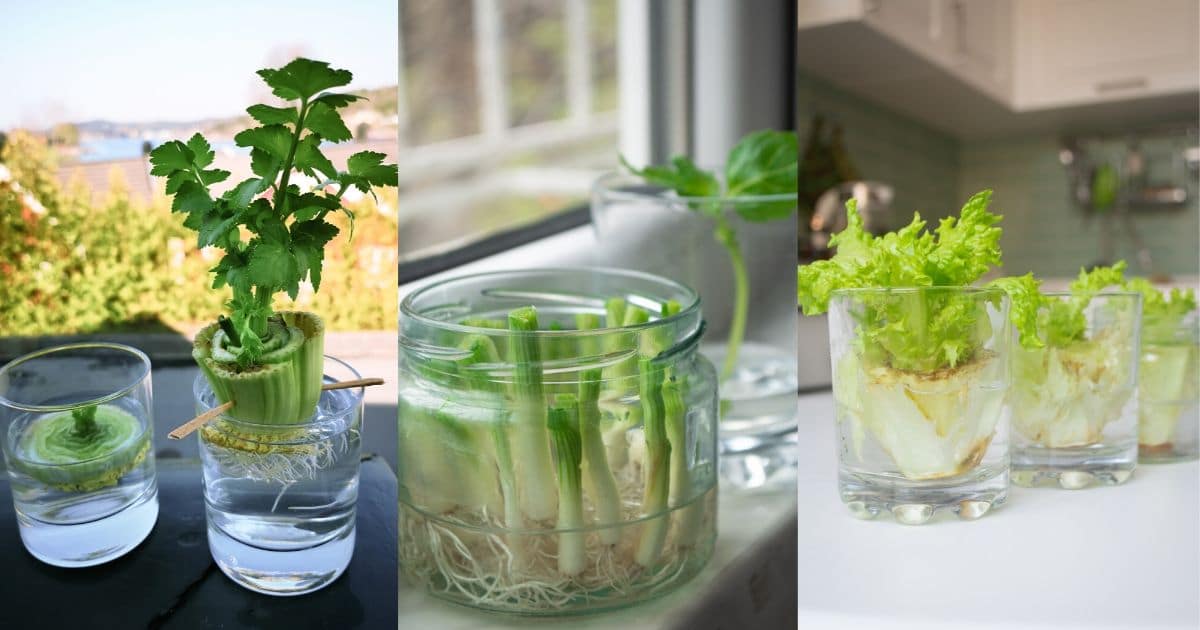
Most commercial produce will not do that well in private gardens. You would do better with varieties suited to your climate and soil.
Aka how to spread diseases to your home garden.
There is extensive processes to minimize the spread of diseases from seed stock. Unless you know what you are doing it’s a great way to turn your home garden ground zero for the local plague.
For example -
Tomato- seed needs to extracted with acid or a peroxide to kill bacterial canker.
Pepper - TMV virus is ubiquitous in commercially grown peppers. The seed needs to be treated with TSP (Trisodium phosphate).
Watermelon, cantaloupe, honeydews and others. Seed needs to be treated with peroxide to eliminate bacterial fruit blotch.
For the cantaloupe and honeydew up to 80% of the fruit grown in some regions are infected with SQMV. The seeds of these fruit should not be saved.
For pumpkins/squash the seeds are almost always infected with ZYMV. Seed plants need to be grown in protected culture to prevent this.
Potatoes - since potatoes are a tuber every single major disease is transmitted from one generation to the next. This includes virus, fungi and bacterial infections. If you want scab and blights and viruses riddled plants this is an great way to do it
How would a living garden with presumably healthy plants that caught these from other vectors normally deal with these problems?
Could you grow a generation from scrap. Collect seed, cleanse, and rotate the bed for a year to let the presumably infected crop die out.
First off generally these diseases are limited by environmental conditions and available vectors. So starting with clean seed/stock can permanently eliminate the need to worry about many of the diseases. A good example of this is SQMV. It’s spread mostly by the spotted cucumber beetles. These are only found in some states of the U.S. and Mexico.
As for how to deal with the disease depends completely on the pathogen. You can clean up many diseases by proper sanitation and crop rotation techniques. Historically leaving a field fallow was a method to reduce disease pressure.
Others are not so easy to get rid of. For example, Fusarium species can persist in the soil for up to 30 years. Once you get it, you are not getting rid of it. It’s such a large issue that commercial growers in highly infected regions have gone to grafting resistant rootstock of a different species.
